
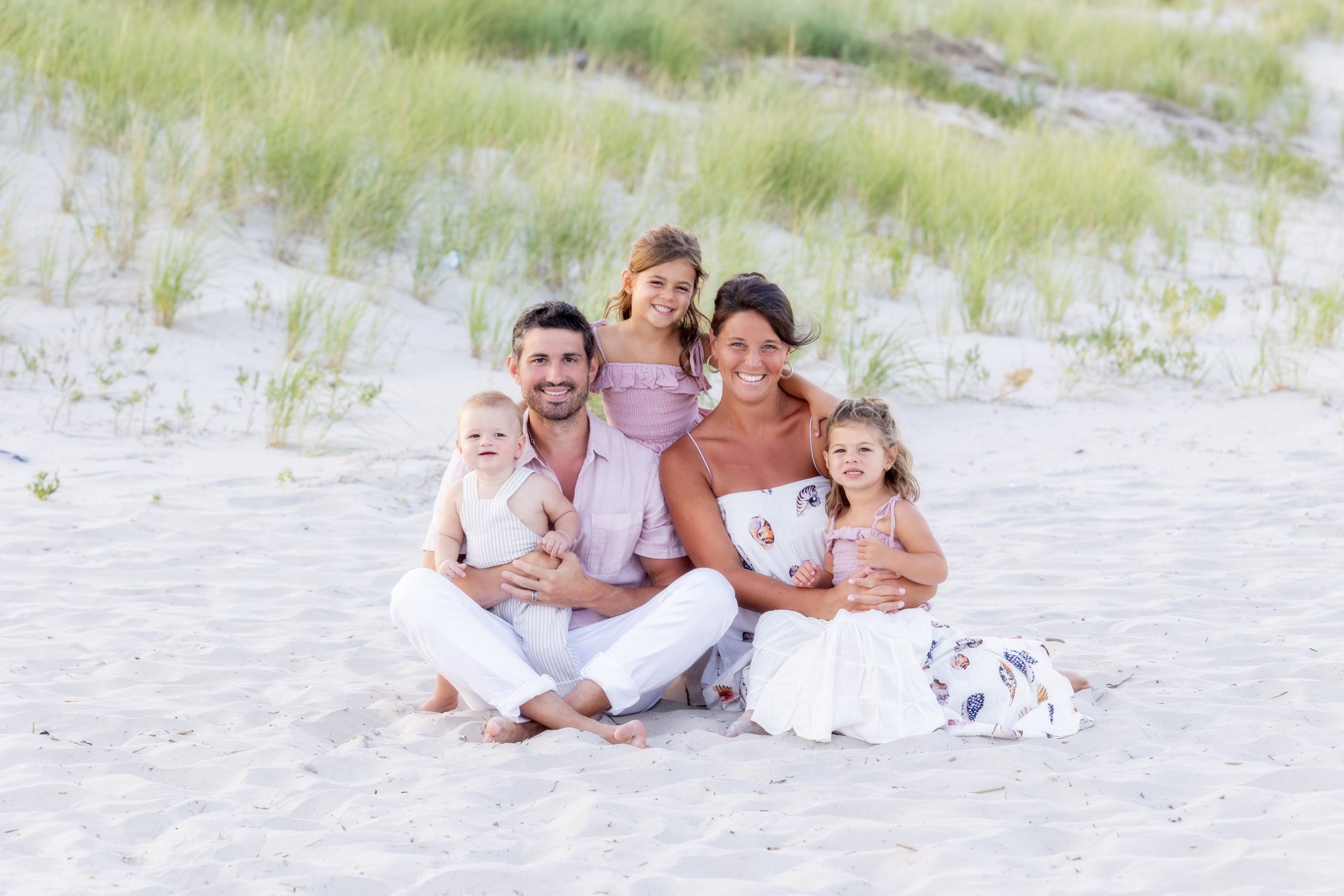
It’s a common instinct: if you have young children with short attention spans, you might think a 15-minute “mini session” is the safest bet to avoid a meltdown. However, when it comes to capturing genuine family dynamics, the opposite is often true.
The extra time in a full session isn’t just about taking more photos; it’s about creating an environment where the best photos can actually happen. Here is why a full session often yields better results, especially for families with little ones.
1. The “Warm-Up” Period
Most children (and many adults) need at least 20 minutes to get comfortable with a stranger holding a large camera.
-
Mini Session: By the time a shy child finally relaxes and starts showing their real smile, the session is over.
-
Full Session: There is space for the kids to explore, play, and get used to the photographer. This leads to portraits that look like your child, rather than a “forced” or nervous version of them.
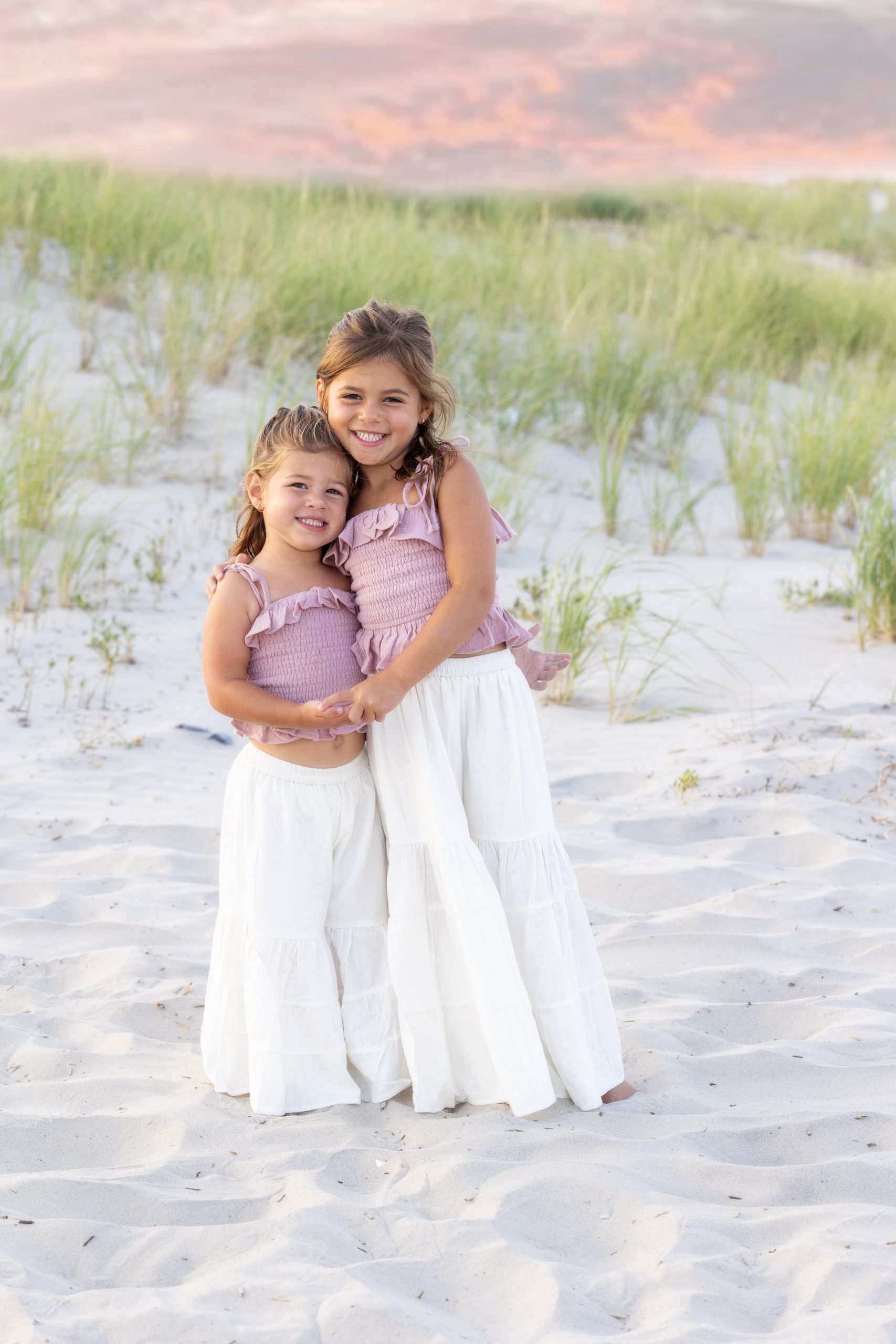
Little sisters family on beach
2. Reduced Pressure (The “Meltdown” Buffer)
When parents know they only have 15 minutes, they often feel a high level of stress to make every second count. Kids are incredibly sensitive to this tension, which can actually trigger a meltdown.
-
The Full Session Advantage: If a toddler has a “moment” or needs a snack break, it’s not a disaster. You can take five minutes to reset, blow some bubbles, or have a tickle fight without feeling like you’re wasting your investment.
3. Storytelling vs. Static Posing
Mini sessions are designed for efficiency, which usually means “everyone look at the camera and smile” in one or two spots.
-
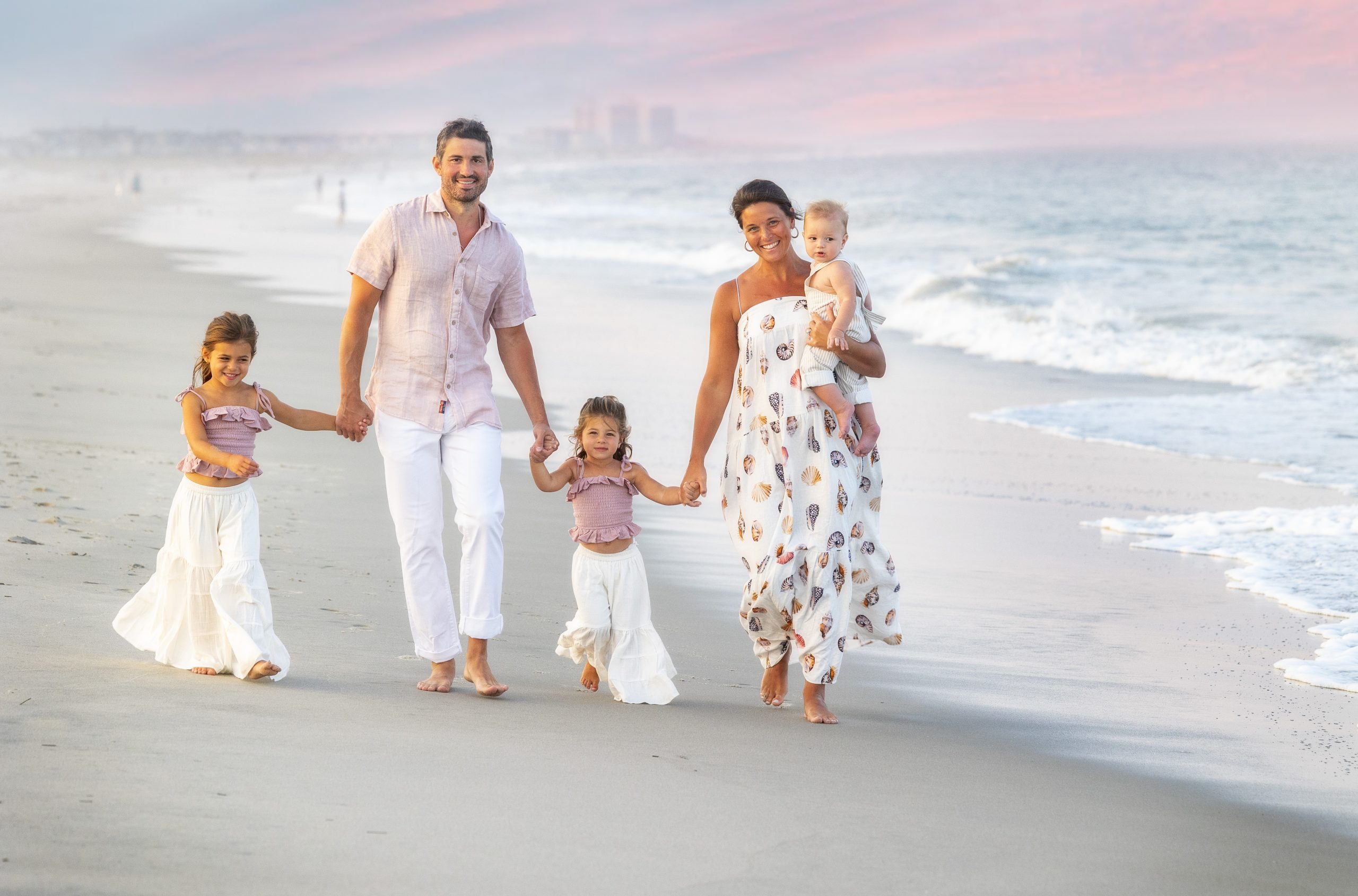
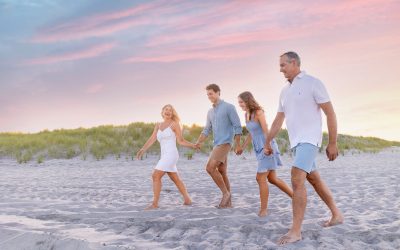
Candid Moments: A full session allows for movement. You can capture the way your daughter holds your hand while walking, or the way your son laughs when he’s being tossed in the air.
-
Variety: You get a much wider range of backgrounds, groupings (just the kids, just the parents, individual portraits), and unscripted interactions that tell a more complete story of your family.
4. Customization and Connection
A full session is a bespoke experience tailored to your family’s specific energy.
-
Pacing: The photographer can slow down or speed up based on the kids’ cues.
-
Focus: Instead of rushing through a checklist, there is time to wait for those fleeting, “in-between” moments that often end up being the ones you frame on the wall.
Comparison at a Glance
The “Wildcard” Benefit: Environmental Portraits
In a full session, you aren’t tied to one specific “perfect” patch of grass. You can move toward the water, find interesting light under the trees, or wait for the “golden hour” light to hit its peak. That flexibility is what transforms a standard photo into a piece of art.
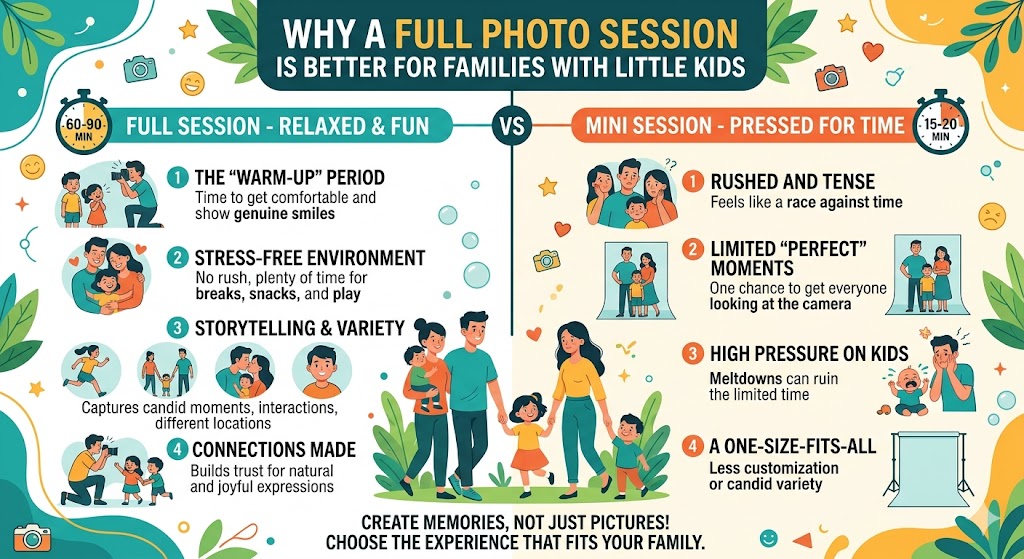
Mini vs full session infographic

0 Comments